
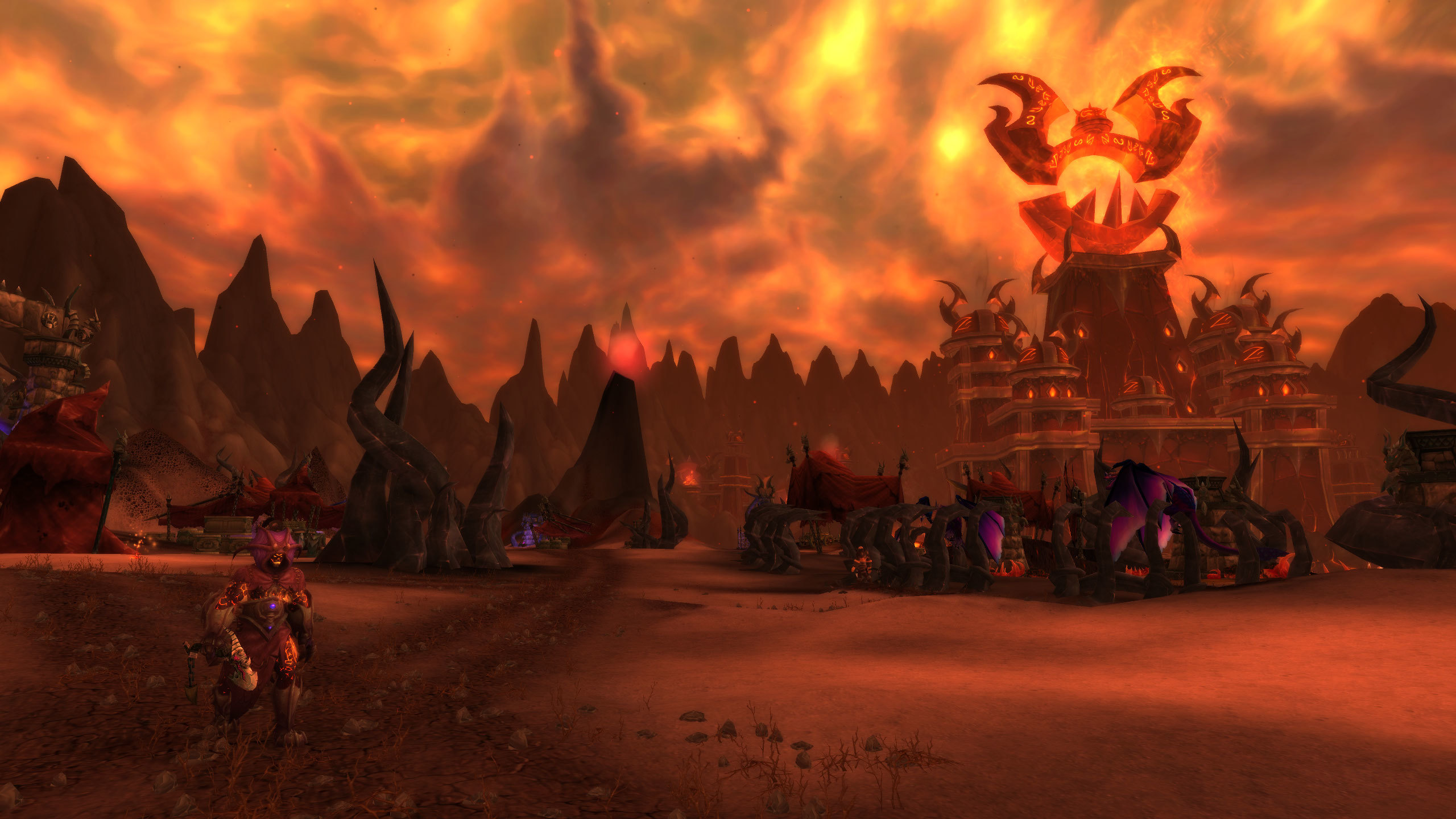

The Old Gods of Azeroth have long been a source of fear, mystery, and intrigue in World of Warcraft. These ancient, malevolent beings were central to the lore of the game, their whispers corrupting minds and twisting entire civilizations.
Though they were defeated in various expansions, their influence continues to haunt the game’s narrative, with their presence still felt in the world of Azeroth. This article explores why the Old Gods’ mysterious whispers continue to captivate players, even after their supposed defeat, and how their enigmatic nature has left an indelible mark on Warcraft’s storytelling.
The Legacy of the Old Gods’ Corruption
The Old Gods’ influence on Azeroth was profound and far-reaching. Their corruption, especially of the Titan-created races and the world itself, shaped much of Azeroth’s history. The corruption of the Black Empire, the fall of the Titans’ creations, and the rise of the Scourge were all part of the Old Gods’ dark legacy. Even after their physical defeat, their influence did not vanish. The whispers of these ancient beings still echo in the corners of Azeroth, infecting minds and twisting the ambitions of powerful figures.
What makes their legacy so haunting is that it lingers beyond their physical form. The remnants of their influence, such as the corruption of certain regions, the rise of cults worshipping them, and the continued presence of their servants like the N’erzhul, continue to add an air of unease to the game’s atmosphere.
- The Black Empire: The remnants of the Old Gods’ empire remain as reminders of their dark reign over Azeroth.
- Corrupted Cults: Even after their defeat, cults worshiping the Old Gods persist, continuing their masters’ work.
- Lingering Influence: The Old Gods’ whispers still reach across Azeroth, infecting minds and influencing decisions from the shadows.
The Fear of the Unknown: What Makes the Old Gods So Unsettling
The Old Gods’ whispers are unsettling not just because of their dark magic, but because of the uncertainty they represent. These beings exist in a space between the known and the unknown. Players are never fully sure of what the Old Gods are capable of or what their true motives are. They represent a threat that is not easily understood, a force that operates on a different plane of existence. This fear of the unknown, coupled with their ability to manipulate minds and twist realities, is what continues to haunt players long after their supposed defeat.
What makes their defeat so ambiguous is that players never truly know if the Old Gods are completely gone. Their defeat in *Cataclysm* and *Legion* was significant, but it was never definitive. The idea that the Old Gods could return at any moment — or that their influence still exists in some form — is what keeps players on edge, always questioning whether the real danger has been eliminated or merely hidden away for a future return.
- Psychological Manipulation: The Old Gods’ ability to corrupt and twist minds makes them a constant threat, even in their absence.
- Uncertainty: The unknown nature of the Old Gods’ power leaves players unsettled, wondering if they are truly defeated.
- Unfinished Business: Their defeat never feels complete, leaving open the possibility of their return to haunt Azeroth.
The Persistent Echo of the Old Gods in Modern Storytelling
Even in the latest expansions, the Old Gods’ influence continues to resonate. The storylines surrounding *Battle for Azeroth*, for example, delve into the lingering effects of the Old Gods’ corruption. The whispers are not just metaphors for evil; they are an active, invasive force that infects the hearts and minds of Azeroth’s inhabitants. Characters who are exposed to these whispers struggle with their consequences, as evidenced by figures like Sylvanas and N’zoth, whose actions are influenced by the remnants of Old God power.
Beyond their direct influence, the Old Gods’ mythos continues to shape Azeroth’s storytelling. Their chaotic, dark nature informs the conflicts between the Alliance and the Horde, as both factions struggle to resist the corruption that these beings represent. This ongoing relevance underscores the idea that the Old Gods’ power is not bound by their physical presence but is instead a lingering force that will continue to shape Azeroth for generations.
- Lingering Legacy: The Old Gods’ corruption continues to influence the actions of key characters in Azeroth.
- Modern Impact: Their story continues to shape conflicts and stories, proving that their presence extends beyond their defeat.
- The Return of N’zoth: Even in *Battle for Azeroth*, the return of N’zoth proves that the Old Gods’ reach is still felt.
Conclusion
The Old Gods, despite their apparent defeat, remain an omnipresent force in World of Warcraft. Their whispers, their influence, and their legacy continue to haunt players, shaping the game’s narrative and emotional depth.
The fear and uncertainty surrounding these ancient beings make them a constant source of tension, even when they are not physically present in the world. As Azeroth continues to evolve, the Old Gods’ mysterious and corrupting presence will undoubtedly continue to play a role in the stories of the future, ensuring that they remain a haunting part of WoW’s legacy for years to come.