


To understand World of Warcraft raid mechanics, it’s vital to master circle mechanics, soak strategies, and tank swaps. Familiarize yourself with raid-wide threats, and learn effective positioning, threat generation, and aggro management tactics. Guarantee cohesive damage output and spatial awareness as a DPS player. Healers must manage mana sustainably, use group healing strategies, and maintain spatial awareness. Joining a well-suited group requires clear communication, role understanding, and flexibility. Gear up through solo content and dungeons, and master raid mechanics through practice and guide use.
Key Takeaways
- Familiarize yourself with fundamental mechanics like circles, soaks, and tank swaps.
- Master raid awareness to react quickly to threats and enhance the overall experience.
- Utilize gear for threat generation, execute proper taunt timing, and manage debuffs effectively.
- Maintain situational awareness and coordinate with your team for optimal damage output.
- Adapt strategies consistently and practice to master raid mechanics.
Circle Mechanics and Movement
When you’re faced with a circle mechanic in a raid, your primary concern should be identifying the circle’s location and direction, as failure to correctly move away can result in substantial damage or even death.
It’s crucial to maintain positioning awareness within the group, ensuring everyone is working together to avoid the affected area. This necessitates movement mechanics that are finely tuned to the needs of the raid.
For instance, reacting quickly to a circle targeting your location requires swift and deliberate action.
Raid awareness plays a pivotal role here as well, as it allows you to quickly recognize when a circle is appearing. Good positioning and movement skills can prevent unnecessary damage, while also helping you avoid dying due to lack of care.
It’s important to understand that these mechanics are in place to challenge and engage you, rather than merely hinder your progress. By mastering circle mechanics and movement, you can greatly enhance your raiding experience and survive critical encounters with greater ease.
Soak Strategies and Avoidance
Make sure you understand the specifics of each mechanic to minimize damage by choosing whether to soak or dodge strategically. Soak strategies are essential to successful raiding, especially when dealing with certain boss mechanics. In these situations, your positioning techniques and player coordination can be the difference between life and death.
Correctly identifying timing windows for soaking or dodging is crucial. This involves recognizing the indications of an impending mechanic and acting accordingly. For example, if a large AoE ability is about to go off, you might need to stack with your team to share the damage. On the other hand, if a mechanic targets specific players, you might need to spread out to avoid additional damage.
When encountering soak mechanics, communication and quick reflexes are key. You must be able to anticipate when to soak and when to dodge, all while maintaining focus on your regular raid responsibilities.
Effective raiders master the art of soaking and dodging mechanics, ensuring their survival in the heat of battle.
Tank Swaps and Debuff Management
In raid fights, correctly managing debuffs and executing timely tank swaps are crucial components that require both thorough understanding of specific mechanics and good communication within the raid team to guarantee smooth progress and avoid casualties. These mechanics involve a combination of positioning, taunt timing, and debuff prioritization, highlighting the importance of coordinating healing efforts and adapting strategies to different boss abilities. Effective debuff management involves identifying key debuffs, recognizing their effects, and planning accordingly to mitigate damage.
The following table illustrates some important aspects of debuff management and tank swaps:
| Debuff Management | Tank Swap Timing | Healing Coordination |
|---|---|---|
| Identify key debuffs | Prioritize taunt timing | Coordinate healing efforts |
| Recognize debuff effects | Adapt to different abilities | Communicate damage levels |
| Plan mitigation strategies | Anticipate swap moments | Assign healers to specific roles |
To successfully navigate these complex mechanics, raid teams must constantly monitor and adjust their strategies as needed. This includes staying aware of the battlefield, coordinating healers to counter specific debuffs, and timing taunts to optimize tank swaps.
Raid-Wide Dangers and Threats
In raid combat, effective management of threat generation and aggro is vital for both tanks and DPS players.
Properly positioning mobs and controlling aggression helps prevent unwanted complications during encounters.
Threat Generation
Understanding raid mechanics necessitates a detailed comprehension of threat generation, which greatly impacts gameplay, as mismanaged threat can lead to disastrous consequences. Threat generation is an essential aspect of tanking, as it determines which player the mob targets. As a tank, your primary goal is to maintain threat on yourself, guaranteeing the safety of your healers and DPS teammates.

To effectively manage threat, consider the following key points:
- Tank Positioning: Proper positioning is crucial for threat generation. Make sure you face mobs head-on, as having your back to them increases damage taken.
- Ability Rotation: Use your abilities consistently to maintain threat. This typically involves a rotation of damaging and taunt abilities.
- Initial Aggro: Employ abilities that generate high initial threat to quickly gain a mob’s attention.
- Maintaining Aggro: Continuously use abilities to keep threat high and prevent mobs from switching targets.
- Regaining Aggro: Use taunts or other abilities to regain aggro if it’s lost during combat.
Mastering threat management is essential for successful raiding. By following these guidelines, you can effectively manage threat and ensure a smoother raid experience for yourself and your team.
Tank Aggro Management
Beyond managing individual threat, effective tank aggro management involves identifying and mitigating raid-wide dangers and threats that can jeopardize the entire team. This important aspect of tanking guarantees that you, as the tank, maintain control over enemies and prevent them from targeting your teammates.
To achieve this, you must master threat management and positioning tactics. Threat management involves using your abilities to maintain a consistent level of aggro on the mobs, ensuring they focus on you and not your party members.
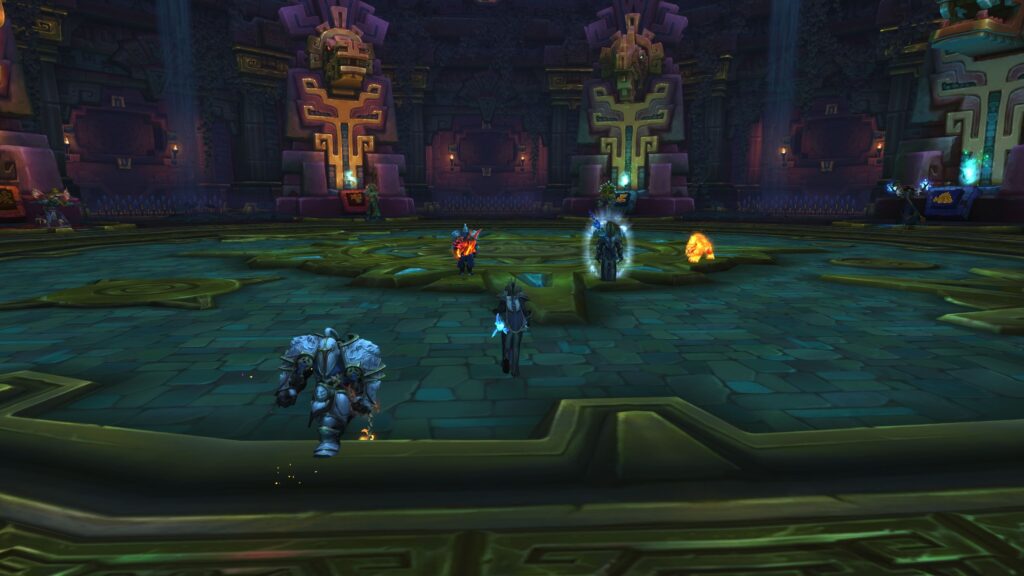
Positioning tactics are essential, as you need to be aware of your surroundings and guarantee that mobs aren’t too far away from you, which can lead to them targeting other players.
Aggro control is also crucial. This involves using your taunt ability to immediately gain the attention of a mob that has wandered off or is targeting another player. Timing your taunt correctly is key, as it guarantees that the mob quickly returns to attacking you.
Effective aggro management requires a combination of these skills, prioritizing your team’s safety above all else.
Mob Positioning
To maintain effective control over raid battles, tanks must master strategies for positioning mobs strategically. Aggro control and mob movement are pivotal aspects that influence the overall performance of the raid.
Here are some key considerations for positioning mobs:
- Pull Strategies: Tanks must carefully decide how to pull mobs to avoid unnecessary spread and guarantee efficient aggro control.
- Consecration: Using area-of-effect abilities like consecration can help maintain aggro on multiple mobs while keeping them positioned around the tank.
- Kiting: In some situations, kiting can be effective for keeping mobs at a distance, but this requires precise control and must be used judiciously to avoid placing other raid members at risk.
- Add Distracting: Taking advantage of abilities that distract or slow mobs can simplify positioning and aggro control.
- Preparation is Key: Understanding the fight mechanics beforehand is essential for effective positioning, ensuring you’re prepared to manage mob movement as required.
DPS Roles and Execution
As you take on the role of a DPS player, your primary objectives include maintaining situational awareness, coordinating with your team, and optimizing your damage output during execute phases. This means creating a cohesive damage rotation that integrates your abilities effectively.
Positioning plays an essential role as you must constantly adjust your position to avoid damage while maintaining ideal range for your attacks.
Effective cooldown management is also crucial. You must keep track of your cooldowns to make sure you’re using them strategically and maximizing their impact.

Target prioritization is equally important. Identify the primary targets, such as the most dangerous mobs or those with the highest health, and focus your damage on those targets first.
Successful DPS execution involves continuous adaptation. Your rotation may need to change depending on the fight, and you must stay aware of the battlefield to avoid deadly attacks.
Through precise cooldown management and vigilant positioning, you can greatly enhance your damage output and contribute to a successful raid.
Healer Responsibilities and Support
Create efficient recovery strategies by tracking raid buffs and debuffs, maintaining spatial awareness for ideal positioning, and managing cooldowns to respond to sudden damage spikes and support your teammates during critical moments.
As a healer in World of Warcraft, your primary responsibility is to keep your group alive and flourishing. Here are some key points to focus on:
- Mana Management: Carefully manage your mana by using spells efficiently and recognizing the appropriate situations to use cooldowns. This ensures long-term sustainability and the ability to respond to emergencies.
- Group Healing: Guarantee you have strong group healing strategies, such as distributing healing properly between the tank and the rest of the group to manage damage effectively.
- Emergency Cooldowns: Stay prepared to use emergency cooldowns when unexpected spikes occur, and prioritize healing your tank first.
- Dispel Mechanics: Understand dispel mechanics to remove debilitating debuffs from the group.
- Spatial Awareness: Maintain a keen sense of spatial awareness to position yourself for optimal healing and safety during intricate fights.
Queue Up – Raid Join Mechanics
While preparing to raid, you’ll want to know how to find and join a group effectively. You can do this by accessing the Group Finder, which allows you to queue up and join a raid group that meets your needs.
Once in, you’ll need to be aware of the raid mechanics and your role in the team to guarantee a successful run.
Accessing the Group Finder
To access normal or higher difficulty raids, you must apply to premade groups or join a guild running these raids, as you can’t queue directly for them through the group finder. This necessitates more deliberate effort but allows you to connect with experienced players and develop a cohesive strategy.
Here are some key steps to keep in mind when using the group finder:
- Group Communication: Make certain you and your team are on the same page regarding roles and expectations to avoid confusion during the raid.
- Player Roles: Understand your role in the raid, whether you’re a tank, healer, or DPS, and what your responsibilities are during the fight.
- Class Diversity: Familiarize yourself with the different classes and their strengths to optimize your team’s composition.
- Strategy Development: Learn and discuss the fight strategies with your group to make sure everyone knows the plan.
- Practice and Improvisation: Be ready to adapt to unexpected situations and practice your skills consistently to enhance your performance in the raid.
Joining a Raid Group
Upon selecting your preferred raid difficulty in the group finder, focus on finding a premade group that aligns with your goals and skill levels. This guarantees you’re matched with players who share your objectives and are capable of working together effectively.
When you join a raid group, understanding raid etiquette is crucial. Communication is key to success, so be prepared to discuss strategies and share your insights.
In terms of loot distribution, rewards are typically assigned based on the raid leader’s discretion. It’s crucial to familiarize yourself with the loot rules and expectations before the raid begins. If you’re unsure, clarify with the raid leader or group members to avoid any confusion or conflicts.
Following these guidelines will ensure a smoother experience and help maintain a positive, cooperative atmosphere within the group.
Progression and Raid Difficulty
Start by gearing up through solo content and Mythic0 dungeons before progressing into Normal, Heroic, and eventually Mythic raids. This preorder prepares you for the challenges that lie ahead and allows you to develop the skills you’ll need to overcome them.

As you enter the world of raiding, you’ll quickly realize that it isn’t just about your gear but about understanding the mechanics of the fight. Here are a few key things to keep in mind:
- Practice: Repetition is key to mastering raid mechanics. The more you practice, the easier it becomes.
- Raid Guides: Websites like Icy Veins and WoWHead provide detailed guides that break down each fight, making it easier to understand what’s happening.
- Addons: Tools like Deadly Boss Mods and WeakAuras help you stay on top of timers and alerts during fights.
- Role-Specific Guides: Focus on your role specifically, whether you’re a tank, healer, or DPS. Understand your duties and what you need to do in each fight.
- Community Resources: Join communities like WoWNoob Discord to connect with other players who are learning and sharing their experiences.
Through a combination of these resources, you’ll be well-prepared to tackle the challenges of raiding and continue to improve with time and practice.
Frequently Asked Questions
How Do I Prioritize Multiple Mechanics at Once?
When facing multiple mechanics at once, prioritize by managing your tasks efficiently. Start by identifying key mechanics that require immediate attention. This might include deadly AOEs, boss movements, or adds that need to be handled. Assist your tank if needed and focus on your role.
Use addons like WeakAuras or DBM to help track cooldowns and mechanics. Practice makes perfect, so start with easier content and build up your skills.
Can I Learn Raid Mechanics Without Watching Hours of Videos?
Yes, you can learn raid mechanics without watching hours of videos. Instead, focus on text guides and in-game tutorials. These resources provide concise information on specific mechanics, making it easier to understand and prioritize.
Additionally, participate in learning raids or Sherpa groups where experienced players teach and guide you through the mechanics in a real-game setting. This hands-on approach can be more efficient and effective than relying solely on videos.
Are There Resources for Learning Raid Mechanics Outside of Youtube?
To learn raid mechanics outside of YouTube, you can start with online guides like Mythic Trap, which provides detailed strategies and resource catalogs.
Forums and discussions on platforms like Reddit and FFXIV Forum offer valuable insights from experienced players.
Additionally, Discord communities and specific raid-focused podcasts can help you understand complex mechanics without relying on videos.
How Does Raid Difficulty Affect the Learning Process?
When you’re learning raid mechanics, the difficulty level greatly impacts your experience. In higher challenges like Mythic, you’ll face more intricate mechanics and tighter timing requirements, making it essential to have a solid grasp on the fight before attempting it.
Conversely, lower challenges like LFR (Looking for Raid) and Normal can provide a simpler entry point, allowing you to learn and adapt as you progress.
Is Practice Sufficient to Master Complex Raid Mechanics?
Practice is essential to master complex raid mechanics. You need both practice and theory to succeed. Practicing regularly helps solidify your understanding through repetition, but it’s equally important to know the underlying concepts.
As you practice, focus on your specific role, from tank positioning to healer timing, and use resources like DBM and YouTube guides. Repetition is key, so keep at it until it becomes second nature.
Conclusion
You now understand the basics of raid mechanics in World of Warcraft.
You’ve learned about visual clues, movement strategies, and your role’s responsibilities.
With practice and patience, you’ll improve and conquer heroic and mythic difficulties.
Don’t be afraid to ask questions or seek guidance; it’s a normal part of the raiding experience.