
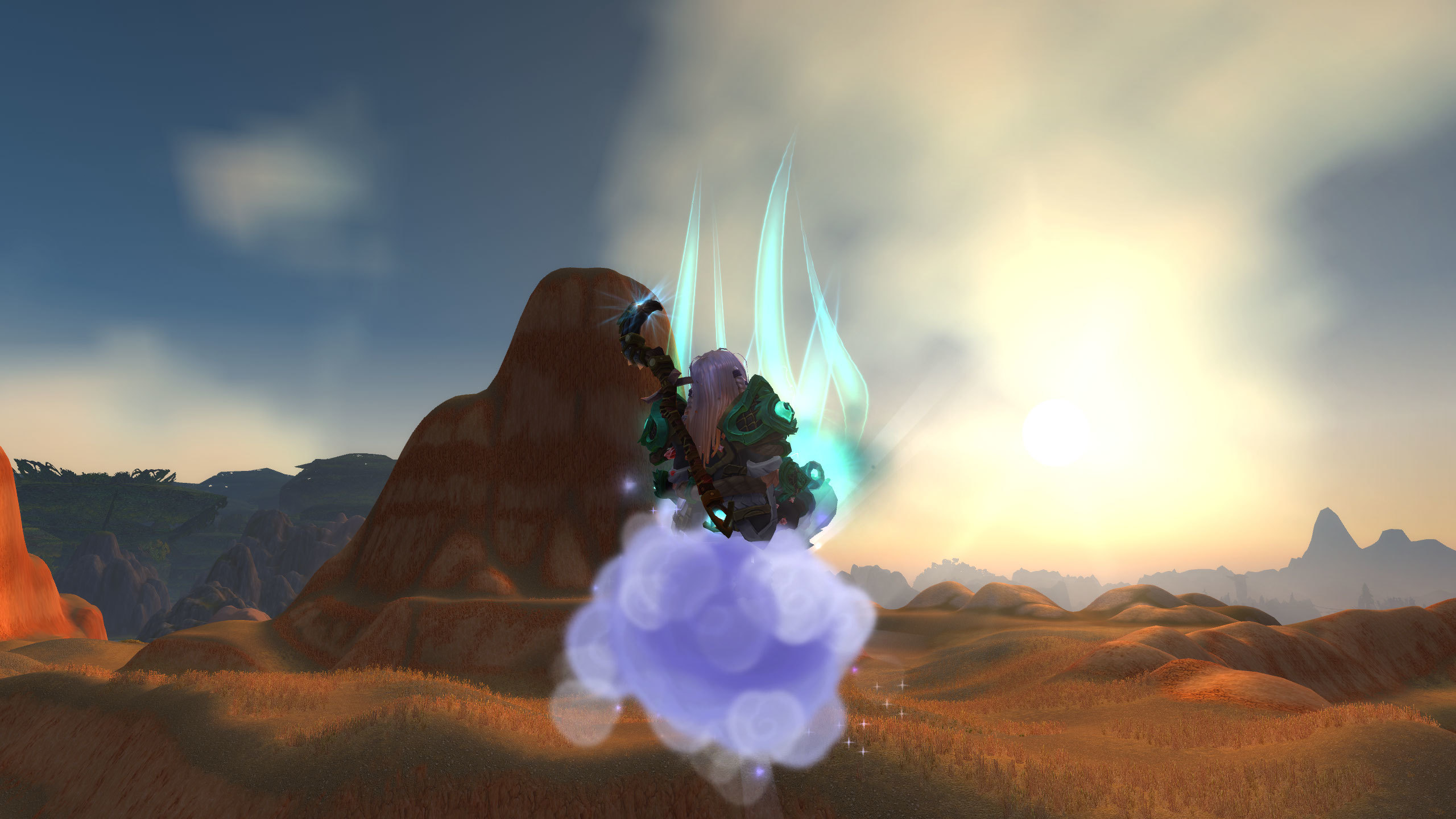

Class mobility has become one of the most influential factors in modern meta decisions. Movement tools determine how reliably players handle mechanics, reposition under pressure, and recover from mistakes. As encounter design emphasizes speed and spatial awareness, mobility gaps increasingly shape class value.
This influence extends across raids, dungeons, PvP, and open-world play.

Why Mobility Matters More Than Ever
Encounters now demand frequent repositioning, target swaps, and rapid responses to environmental threats. Mobility enables uptime while others disengage.
Classes that move well maintain consistency where immobile specs lose momentum.
Mobility as a Reliability Multiplier
High mobility reduces punishment for minor errors. Quick repositioning turns near-failures into recoverable moments.

This reliability is especially valuable in high-pressure content.
How Mobility Shapes Meta Choices
Movement tools influence composition decisions more than raw output alone.
- High-mobility specs favored for mechanic-heavy fights
- Low-mobility classes requiring external support
- Movement cooldowns enabling aggressive strategies
- Instant repositioning reducing healer strain
These considerations often decide which specs feel viable.
Content-Specific Mobility Pressures
In Mythic+, mobility supports fast routing and safe pulls. In PvP, it dictates target selection and survival. In raids, it preserves uptime during forced movement.

Each content type reinforces the value of movement in different ways.
The Balance Challenge of Movement Power
Mobility is difficult to tune. Too much creates dominance, too little creates frustration.
Design increasingly compensates immobility with utility or durability, but gaps remain impactful.
Conclusion

Class mobility disparities play a central role in shaping modern metas. As content continues to reward movement and positioning, mobility remains a defining factor in class value across all areas of play.