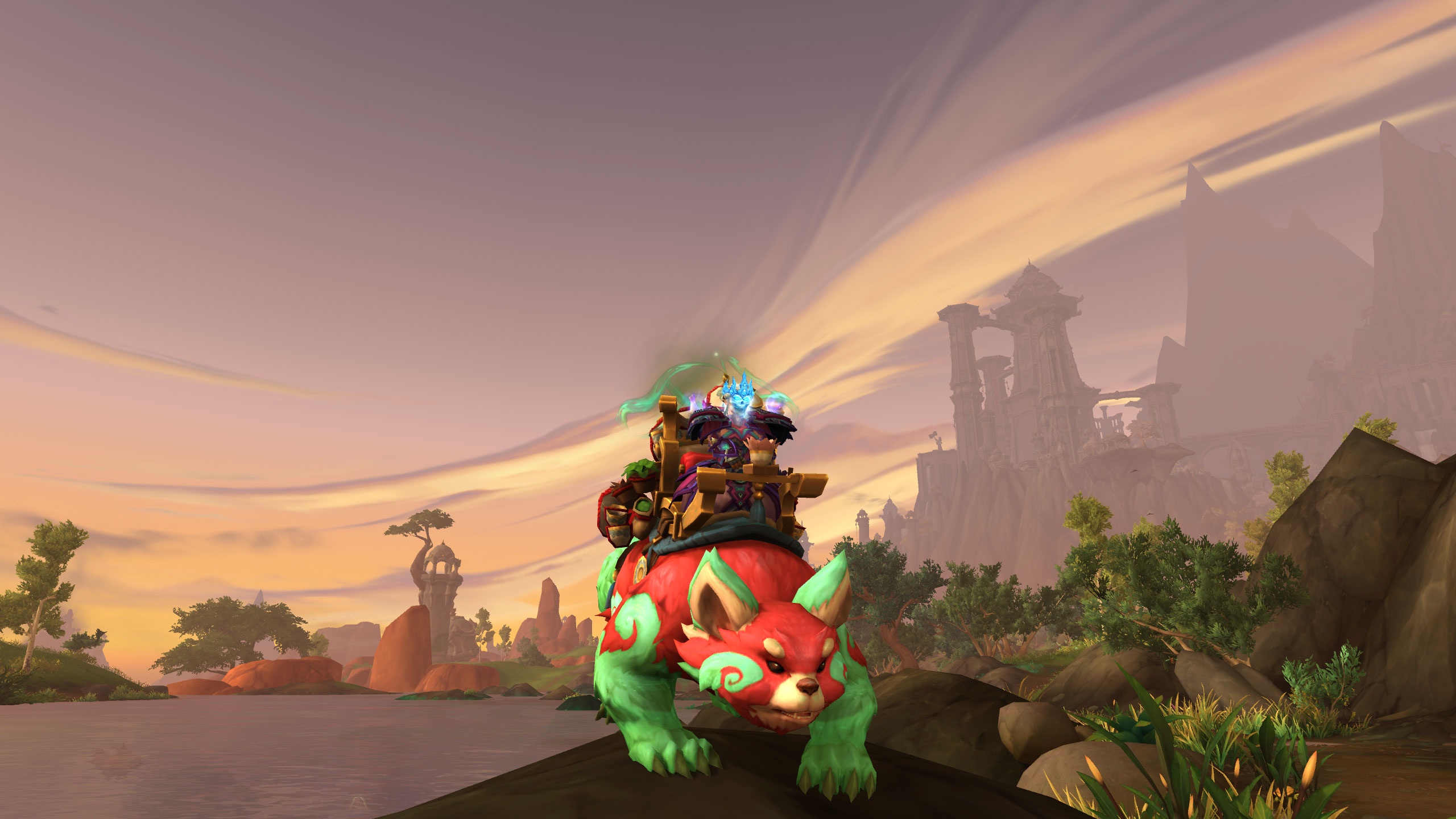

The game has not only dominated the MMORPG genre for decades but has also influenced countless other games. Many of the systems, mechanics, and design philosophies found in modern MMOs can be traced back to WoW. But how exactly did this game become the foundation for nearly every online RPG that followed?
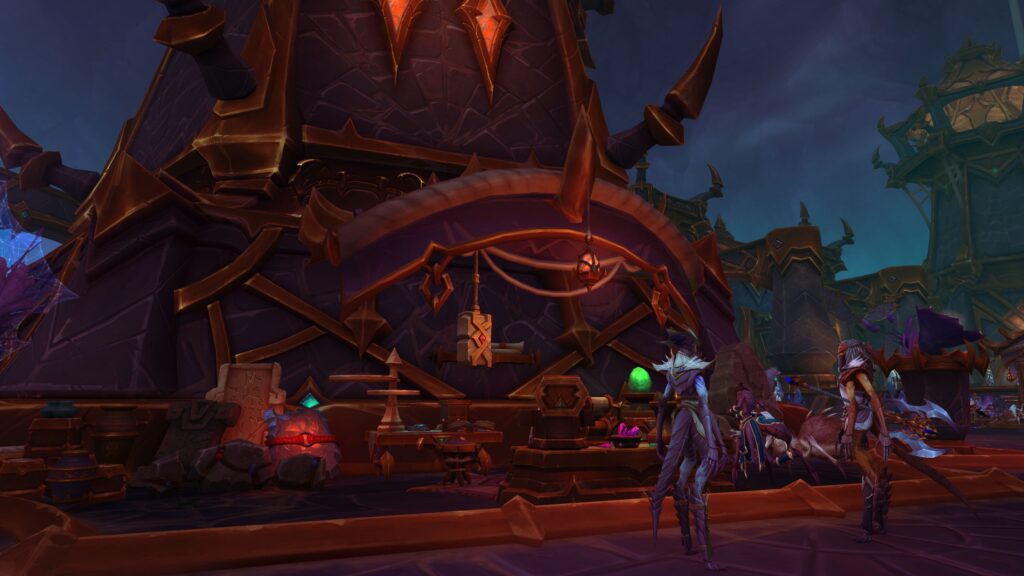
The Revolution of Quest-Based Progression
Before WoW, MMOs often relied on grinding as the primary way to level up. WoW changed this by introducing structured questing.
How This Changed MMOs Forever:
- Guided Player Experience: Quest hubs helped players naturally progress through zones.
- Storytelling Through Quests: Instead of just killing mobs, players were given narrative-driven tasks.
- Daily and Weekly Quests: This system became a staple in almost every MMO after WoW.
Games like Final Fantasy XIV and The Elder Scrolls Online use similar questing mechanics, proving the lasting influence of WoW’s system.
Dungeon and Raid Structures That Defined Endgame Content
While WoW didn’t invent dungeons or raids, it set the gold standard for how they should function.
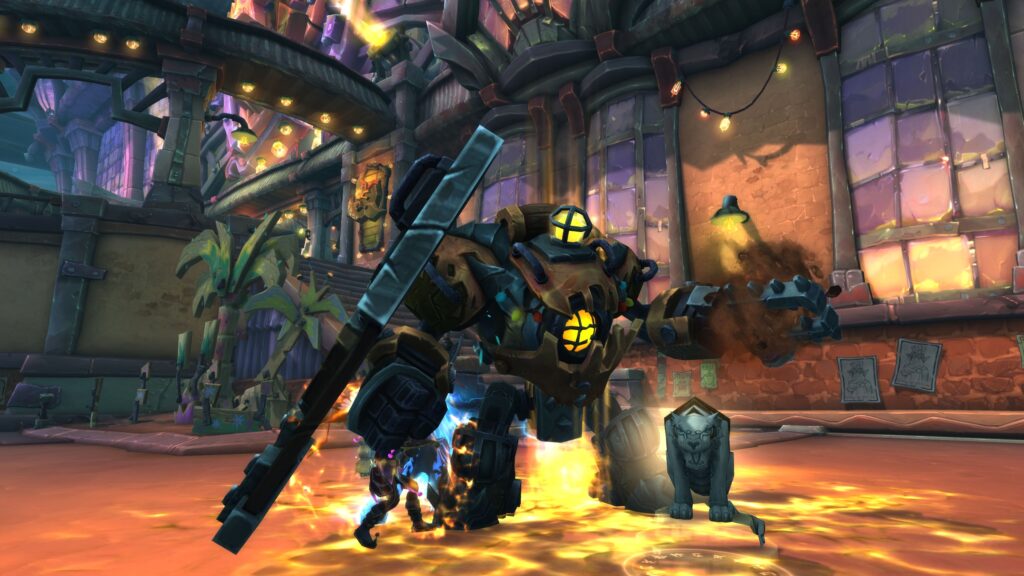
Key Innovations That Shaped the Genre:
- Instanced Dungeons: Ensured a seamless experience without interference from other groups.
- Progressive Raid Tiers: Encouraged players to keep improving their gear and skills.
- Mythic+ System: Introduced scaling difficulty to keep dungeons relevant.
Many modern MMOs have adopted similar scaling dungeon systems to keep content fresh.
Faction-Based PvP and Competitive Battlegrounds
WoW’s PvP system created a model that would inspire other MMOs for years to come.
Why It Was Groundbreaking:
- Faction Rivalry: The Alliance vs. Horde conflict provided a built-in reason for PvP battles.
- Battleground Mechanics: Warsong Gulch and Alterac Valley introduced strategic, objective-based PvP.
- Arena System: Competitive, ranked PvP became a standard in many future MMOs.
MMOs such as Star Wars: The Old Republic and Guild Wars 2 adopted faction-based warfare directly inspired by WoW’s system.
The MMO Subscription Model and Its Evolution
When WoW launched, its subscription model became the industry standard. However, as free-to-play models emerged, WoW adapted.
How WoW’s Model Evolved:
- Introduction of the WoW Token: Allowed players to buy game time with in-game gold.
- Expansion-Based Revenue: Major content updates became the primary reason to return.
- Mount and Transmog Microtransactions: WoW adopted elements of free-to-play games to sustain revenue.
Other MMOs, including Final Fantasy XIV and The Elder Scrolls Online, use hybrid models similar to WoW’s, proving its influence even in monetization strategies.
Conclusion
WoW didn’t just succeed—it defined an entire genre. From its questing systems to its dungeon design and PvP mechanics, its influence can be seen in nearly every modern MMO. Even as new games emerge, the fundamental principles that WoW established continue to shape the industry, solidifying its legacy as the blueprint for modern MMORPGs.
Home