
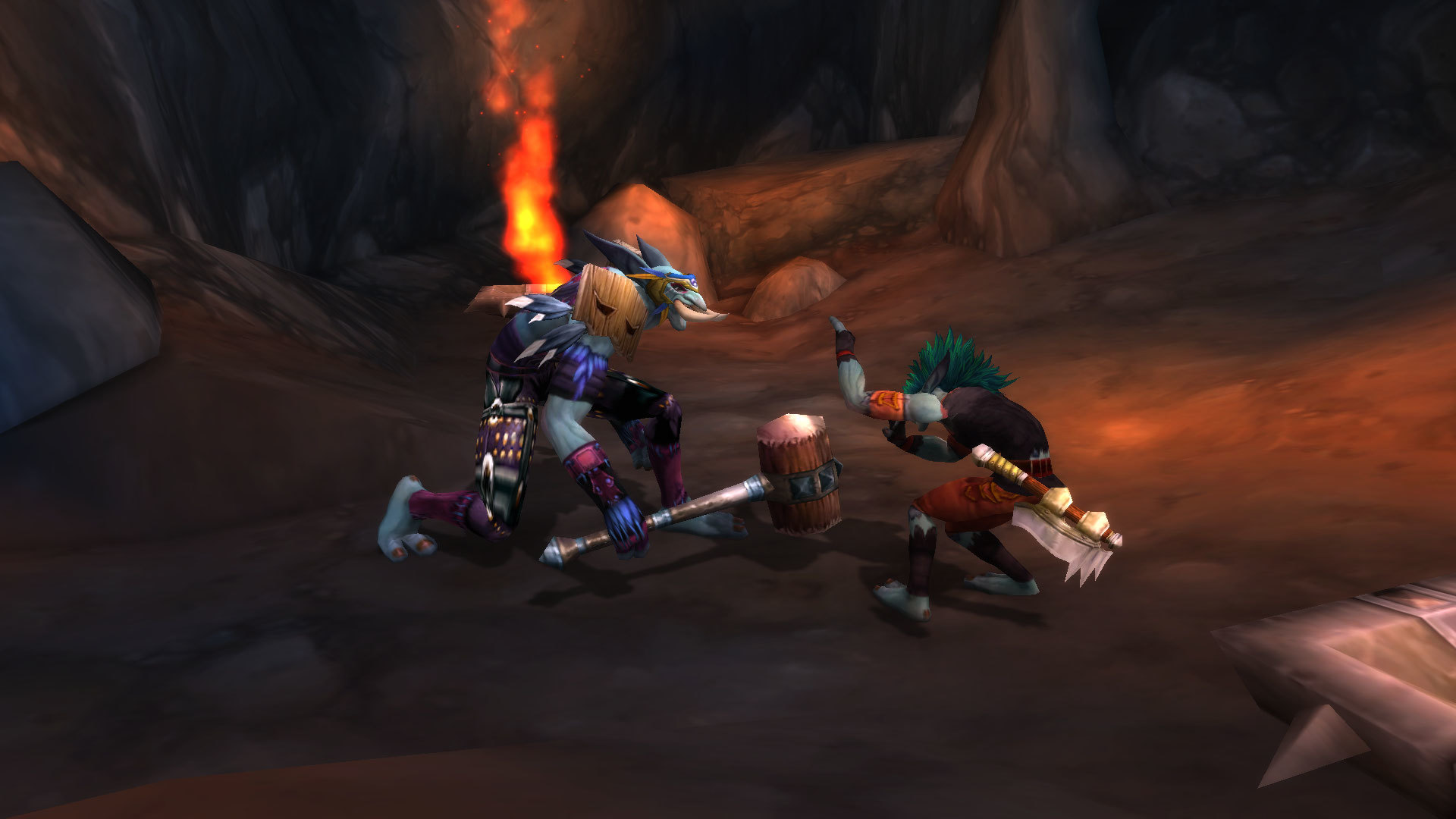

The events surrounding Vol’jin’s Rebellion and the Siege of Orgrimmar mark a significant chapter in the lore of World of Warcraft, showcasing the intricate political dynamics and factional conflicts within the Horde. Following the catastrophic events of the Cataclysm, tensions escalated as Garrosh Hellscream’s leadership came under scrutiny. Vol’jin, the former Warchief of the Horde and leader of the Darkspear Trolls, emerged as a pivotal figure, rallying forces against Garrosh’s tyrannical rule. This guide delves into the critical elements and strategies involved in understanding this rebellion and the subsequent siege that reshaped the fate of the Horde.
The Catalyst of Rebellion
The seeds of rebellion were sown through Garrosh’s increasingly aggressive policies and his disdain for the more diplomatic factions within the Horde. His actions, including the brutal treatment of the Pandaren and the reckless pursuit of war, alienated many allies. Vol’jin, recognizing the need for unity against Garrosh’s tyranny, sought alliances with other discontented leaders, including Thrall and Baine Bloodhoof. These factions shared a common goal: to restore honor and stability to the Horde. The culmination of these efforts marked the beginning of a series of covert operations aimed at undermining Garrosh’s authority.
Key Players in Vol’jin’s Rebellion
Vol’jin’s Rebellion was characterized by the involvement of numerous key figures from various races within the Horde. Each played a crucial role in orchestrating the uprising against Garrosh. Notable leaders included Thrall, the former Warchief who provided strategic guidance and moral support, and Baine Bloodhoof, who rallied the Tauren to the cause. Additionally, powerful factions such as the Blood Elves and Forsaken were crucial in providing resources and intelligence. The collaboration of these diverse groups exemplified the unity needed to challenge Garrosh’s reign. Below is a table detailing the primary leaders and their contributions:
| Leader | Race | Role in Rebellion |
|---|---|---|
| Vol’jin | Troll | Leader of the Rebellion |
| Thrall | Strategic Advisor | |
| Baine Bloodhoof | Tauren | Resource Coordinator |
| Lor’themar Theron | Blood Elf | Alliance Support |
| Sylvanas Windrunner | Forsaken | Espionage and Information |
The Siege of Orgrimmar: Preparation and Strategy
The Siege of Orgrimmar itself was a well-coordinated operation that required meticulous planning and execution. As the forces of Vol’jin and his allies approached Orgrimmar, they faced not only Garrosh’s military but also the environmental challenges of the polluted city. Players must engage in strategic maneuvers, utilizing Line of Sight (LoS) tactics to avoid unnecessary wipes and maximize damage output on key targets. The importance of communication in this phase cannot be overstated; coordinated attacks and the management of aggro were crucial in overcoming the numerous encounters that awaited them. The following list outlines essential strategies for a successful siege:
- Utilize crowd control abilities to manage adds effectively.
- Assign roles clearly: tanks to hold aggro, healers to focus on high-priority targets, and DPS to maximize damage output.
- Leverage environmental advantages, such as obstacles for LoS during critical phases.
- Establish a clear kill order for bosses and their minions to streamline efforts and reduce chaos.
- Communicate frequently, especially during transitions between phases of encounters.

Post-Siege Impact and Legacy
The aftermath of the Siege of Orgrimmar led to profound changes within the Horde, fundamentally altering its leadership structure and the relationships among its factions. Vol’jin’s ascension to Warchief marked a new era, emphasizing unity and honor over aggression. The rebellion also highlighted the importance of collaboration among various races, fostering a sense of shared purpose. However, the scars left by Garrosh’s reign continued to affect the Horde’s dynamics, as mistrust and divisions lingered. Understanding these changes is crucial for players navigating the evolving landscape of the game.
Conclusion: A New Dawn for the Horde
The Blood in the Snow not only signifies the rebellion against tyranny but also symbolizes hope and the possibility of redemption for the Horde. Vol’jin’s Rebellion and the Siege of Orgrimmar serve as a powerful reminder of the strength found in unity against oppression. As players continue to explore the lore of World of Warcraft, they are encouraged to reflect on the lessons learned from this pivotal moment in history, as the Horde strives to heal and grow stronger in the face of adversity.