
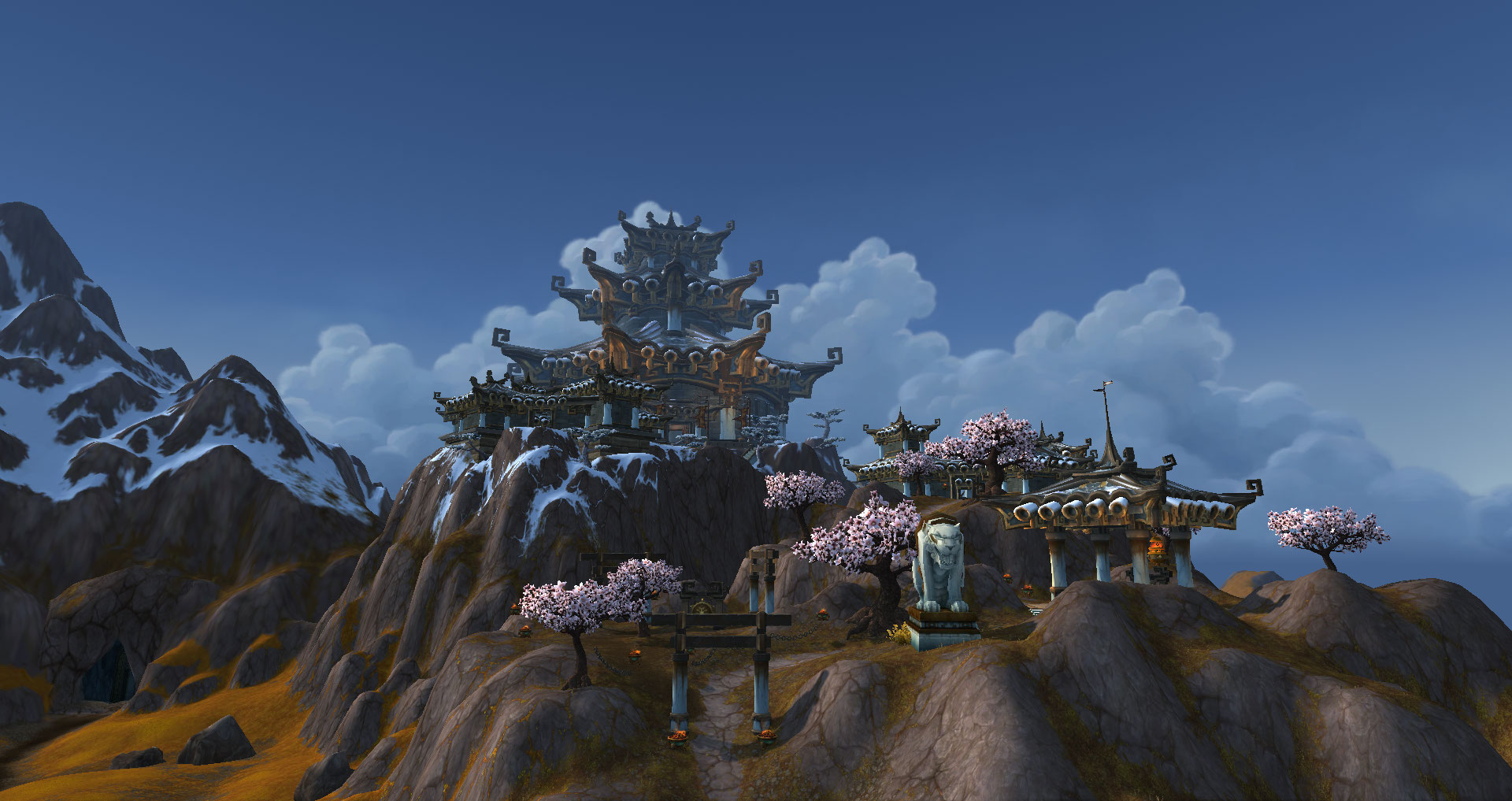

The Mists of Pandaria expansion introduced scenarios, a unique gameplay feature that allowed players to engage in small group content without the need for a full party or raid. These scenarios provided a flexible, narrative-driven experience that catered to various playstyles. Despite their innovative design and potential for enhancing player engagement, Blizzard ultimately phased them out in subsequent expansions. This article explores the mechanics, strategic applications, and the reasons behind the abandonment of scenarios, highlighting their relevance in today’s gaming landscape.

What Were the Key Features of Scenarios in Mists of Pandaria?
Scenarios in Mists of Pandaria featured unique mechanics such as flexible group sizes, narrative-driven objectives, and a focus on cooperative gameplay without the need for a full party.
Scenarios were designed to be accessible, allowing players to engage in content without the traditional constraints of dungeons or raids. They typically required 3 players and emphasized teamwork and strategy. The following table outlines the key specifications and performance metrics of scenarios during their introduction.
| Feature | Group Size | Objective Type | Rewards |
|---|---|---|---|
| Flexible Gameplay | 1-3 Players | Story-driven Quests | Loot, Valor Points |
| Dynamic Environments | Solo or Group | Timed Challenges | Achievements |
| Replayability | 3 Players | Randomized Events | Experience Points |
How Did Scenarios Change the Gameplay Experience in WoW?
Scenarios transformed the World of Warcraft gameplay experience by introducing a more casual, narrative-driven approach that appealed to a broader audience.
Before scenarios, players often faced the challenge of gathering a full party for dungeons or raids, which could be time-consuming and frustrating. Scenarios allowed players to jump into content quickly, fostering a sense of immediacy and engagement. This shift not only catered to casual players but also provided hardcore players with a new way to experience lore and gameplay without the need for extensive preparation or commitment.
Mechanically, scenarios utilized a unique design that emphasized cooperative play with minimal setup. Players could join scenarios through a simple queue system, which matched them with others looking to participate. The scenarios often included various objectives, such as defeating a boss or completing a series of tasks, which encouraged teamwork and strategic planning. This design was a precursor to many modern multiplayer experiences, showcasing Blizzard’s forward-thinking approach.
What Steps Can Players Take to Maximize Their Experience with Scenarios?
Players can maximize their experience with scenarios by understanding the mechanics, optimizing their character builds, and coordinating effectively with teammates.
To fully enjoy scenarios, players should first familiarize themselves with the specific objectives and mechanics of each scenario. This knowledge allows for better preparation and strategy formulation. Additionally, optimizing character builds to complement team dynamics is crucial; for instance, having a balanced mix of damage dealers, healers, and crowd control can significantly enhance performance.
- Research the scenario objectives and mechanics before entering.
- Coordinate with teammates to ensure a balanced composition of roles.
- Utilize consumables and buffs to enhance performance during the scenario.
- Communicate effectively to adapt strategies based on real-time developments.
What Were the Strategic Advantages of Scenarios for Players?
Scenarios offered strategic advantages by providing flexible gameplay options, enhancing social interactions, and allowing for quick rewards without extensive commitment.

One of the primary advantages of scenarios was their ability to cater to players with varying schedules and commitments. Unlike traditional dungeons, scenarios could be completed in shorter time frames, making them ideal for players who might only have a limited window to play. This flexibility encouraged more players to engage with the content, fostering a larger community around scenarios.
Moreover, scenarios encouraged social interactions among players. The cooperative nature of these encounters often led to the formation of new friendships and alliances, as players worked together to achieve common goals. This social aspect is vital in MMORPGs, as it enhances the overall gaming experience and promotes a sense of belonging within the community.
What Challenges and Limitations Did Scenarios Face?
Scenarios faced challenges such as a lack of long-term engagement, limited content variety, and eventual player fatigue, leading to their decline in future expansions.
Despite their initial success, scenarios struggled to maintain player interest over time. The limited number of scenarios available at launch and the repetitive nature of some objectives led to player fatigue. As players completed scenarios multiple times, the novelty wore off, and many sought more substantial content that offered deeper rewards and engagement.
Additionally, Blizzard’s focus shifted towards other gameplay features, such as the introduction of Mythic+ dungeons and Warfronts, which provided more structured and rewarding experiences. The decision to phase out scenarios reflected a broader trend in the gaming industry towards content that offered higher stakes and more complex mechanics, ultimately sidelining the innovative yet simpler design of scenarios.
What Future Trends Could Revive the Concept of Scenarios in MMORPGs?
Future trends in MMORPGs could revive scenarios by incorporating flexible, narrative-driven content that emphasizes player choice and cooperative gameplay.
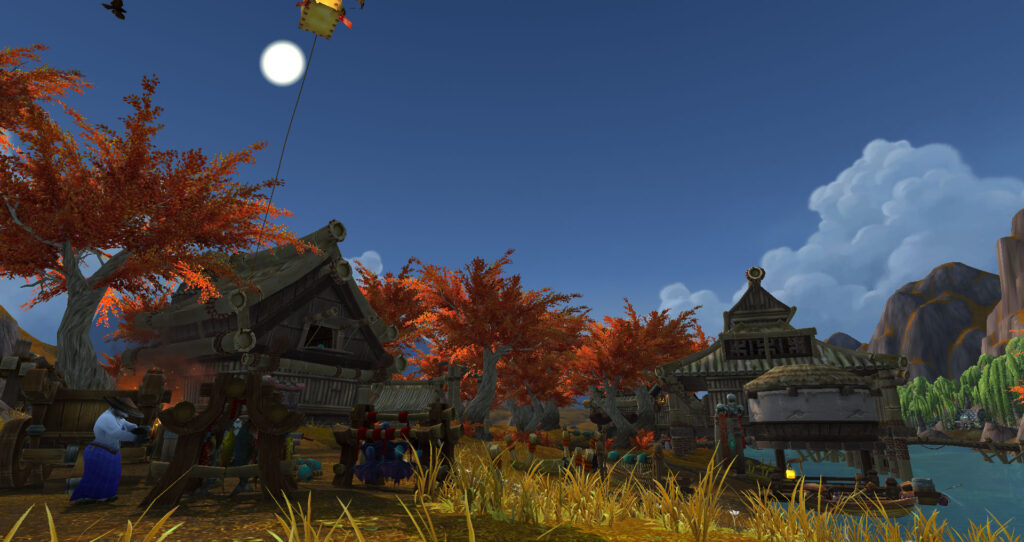
As the gaming landscape evolves, there is a growing demand for content that caters to diverse player preferences. Developers could draw inspiration from the successful elements of scenarios by creating new game modes that allow for quick, engaging experiences without the need for extensive setup. This could include dynamic events that adapt to player choices, enhancing replayability and player investment.
Moreover, integrating advanced AI and procedural generation could lead to scenarios that offer unique challenges and narratives each time they are played. This approach would not only keep the content fresh but also encourage players to explore different strategies and team compositions, ultimately enriching the MMORPG experience.